The best indoor team-building activity is one your team can participate in without embarrassment, pressure, or preventable access barriers. Start with the purpose of the event, then check physical accessibility, sensory needs, group comfort, venue rules, schedule, and budget. Food should support that plan, not become another compulsory activity.
10 indoor activity ideas
- Facilitated problem-solving workshop: give small groups the same fictional or low-stakes business problem, then compare approaches. Use a neutral scenario when real workplace conflict is involved.
- Escape room: a structured puzzle can create a clear start and finish. Check venue accessibility, room capacity, and whether anyone dislikes confined spaces before booking.
- Team trivia: use broad categories rather than questions that reward only company tenure or one cultural background. Let people contribute in small groups.
- Collaborative building challenge: teams build a model from simple materials under a time limit, then explain their choices. Avoid turning the debrief into a performance review.
- Board-game café session: offer several games with different complexity levels and allow observers or casual participation.
- Creative workshop: painting, pottery, collage, or another guided project can suit a lower-energy event. Make the activity optional and avoid judging the finished work.
- Indoor scavenger hunt: use a venue, museum, or office-safe route. Confirm mobility access and provide an equivalent non-running role.
- Cooking or food workshop: useful when the venue and facilitator can safely manage ingredients, allergies, and participation. Do not assume the activity meal replaces a complete catering plan.
- Volunteer-kit assembly: partner with an organization that actually needs the kits and follow its instructions rather than designing a symbolic exercise without a recipient.
- Short showcase session: invite volunteers to teach a skill, demonstrate a hobby, or share a project in five minutes. Participation should be opt-in.
Choose by purpose, not popularity
| Event goal | Activity direction | Risk to check |
|---|---|---|
| Help a new group talk | Small-group trivia, simple building challenge, guided workshop | Inside jokes, tenure bias, forced disclosure |
| Practise a working skill | Facilitated problem-solving or role-specific workshop | Using a social event to assess employees without consent |
| Celebrate a milestone | Creative session, games, entertainment, shared meal | Making the event physically or socially compulsory |
| Bring departments together | Mixed small groups with a neutral task | Existing hierarchy dominating every group |
| Offer a low-energy social event | Board games, creative activity, volunteer assembly | Sensory, mobility, or dietary access overlooked |
Questions to ask before booking
- What do we want people to feel or do differently during the event?
- Can everyone participate physically, socially, and sensorially?
- Is participation optional, and is there a comfortable alternative role?
- Does the venue have the required capacity, equipment, insurance, and accessibility?
- How long is the activity, transition, meal, and return-to-work period?
- Who is responsible for facilitating, and who handles concerns on the day?
Fit the meal to the agenda
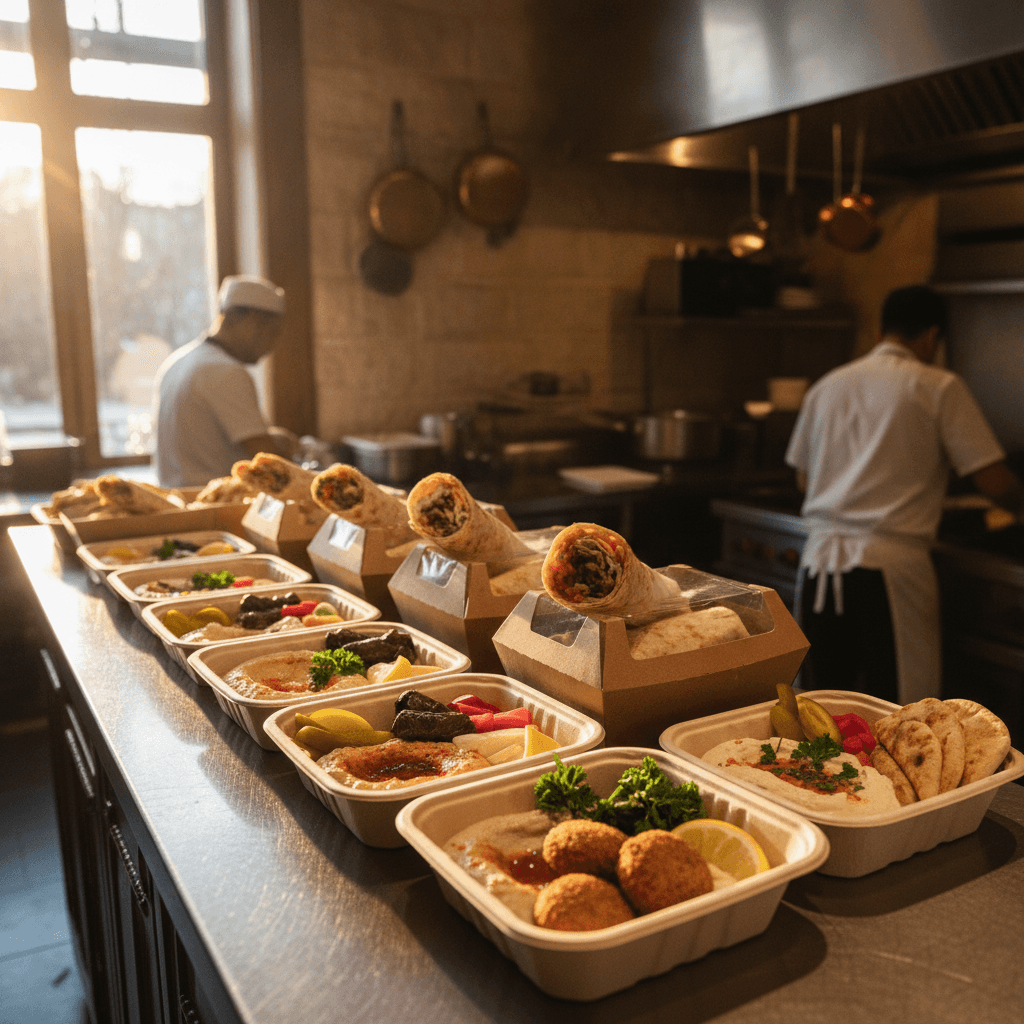
Use individual meals when people eat during a workshop, move between rooms, or need a labelled handoff. Use wrap platters for a shorter, casual break with minimal setup. Use a buffet when the venue has serving space and the meal is a distinct social part of the agenda.
All meat served by Shawarma Moose is 100% halal. Vegan and vegetarian selections can be included and labelled. Share allergies or ingredient exclusions in advance; labels do not make a shared kitchen allergen-free.
Current budgeting anchors
- Picnic Buffet Bar: $10/person
- Mediterranean Buffet Bar: $13/person
- Individual bowls: $14–$16/person
- Wraps: $10–$12 each
- Premium Mediterranean Feast Buffet: $23/person
Delivery, add-ons, and 13% HST are separate unless the quote says otherwise. Toronto delivery is typically $35–$40, while other cities and complex routes can differ. Use the catering calculator for a working total.
A schedule that leaves room to breathe
Do not place food arrival at the same minute an activity ends. Shawarma Moose normally schedules delivery 30–45 minutes before the event start or serving time. Assign one contact who can leave the activity to meet the driver, check the order, and direct it to the right room.
For an office tower or venue, send reception, loading, parking, security, elevator, floor, and room instructions. Confirm those details no later than the day before. Confirm the catering order at least five days ahead when possible; last-minute availability is not guaranteed.
Simple event checklist
- Define the purpose and choose an accessible, optional activity.
- Confirm venue capacity, room, equipment, and access.
- Collect headcount and dietary needs by a clear deadline.
- Choose buffet, individual meals, or platters based on the schedule and room.
- Build a complete budget with food, delivery, add-ons, and HST.
- Assign an onsite delivery contact and reconfirm the handoff route.
- Leave a transition between the activity and meal.
For a one-time team event, start with corporate lunch catering. For a recurring workplace lunch program, use the office catering page.
Frequently asked questions
What is a good indoor team-building activity?
A good option matches the event purpose and allows people to participate without avoidable physical, sensory, social, or cultural barriers. Facilitated workshops, trivia, creative sessions, games, and collaborative challenges can all work when participation and alternatives are planned thoughtfully.
When should food be served at a team event?
Create a clear transition rather than serving at the exact moment an activity ends. Assign one person to receive the order, and include time for building access and setup before guests eat.
What catering format works for a team-building event?
Individual meals suit workshops and labelled handoffs, wrap platters suit a short casual break, and buffets suit a longer social meal with enough serving space.
How far ahead should team-event catering be booked?
Confirm at least five days ahead when possible. Kitchen capacity, delivery distance, guest count, and menu complexity determine whether a shorter-notice request can be accepted.